

For a long time, private equity had a reliable playbook. Buy well, optimize the capital structure, cut costs where possible, ride market tailwinds, and sell. The people running the business mattered, of course — but the financial engineering was often doing at least as much of the heavy lifting as the talent executing the plan.
That dynamic has shifted considerably, and most people working in PE today don't need to be told why. The math has simply changed.
According to Bain & Company's 2026 Global Private Equity Report, delivering a 2.5x MOIC and 20% IRR in today's environment — with borrowing costs in the 8–9% range, reduced leverage ratios, and purchase multiples at historic highs — now requires PE-backed companies to generate roughly 10–12% average annual EBITDA growth over a five-year hold period. During PE's golden decade of the 2010s, that threshold was closer to 5%. Bain's report captures the shift succinctly: "12 is the new 5."
Growing EBITDA at 12% annually is a fundamentally different operating challenge than growing it at 5%. Most of the markets PE firms invest in aren't expanding at that rate organically, which means that kind of growth has to be actively driven — through sharper execution, faster change management, better decision-making, and stronger teams at every level of the organization. Increasingly, the people inside the business are the primary lever available to pull.
Every PE firm enters a deal with a value creation plan. In most cases those plans are well-constructed — the initiatives are logical, the levers are real, and the projected returns make sense on paper. Where things tend to go wrong is in the execution, and execution is ultimately a function of having the right people in the right roles.
The pattern is a familiar one. A value creation initiative gets underway, the early quarters look reasonable, and then 12 to 18 months in something starts to slip. Targets are being missed, an initiative has stalled, and when you dig into why, it often comes back to a team or a leader who wasn't quite the right fit for what was being asked of them — and in many cases, the signs were there earlier than anyone caught them.
By the time that kind of misalignment shows up in the financials, a year or more has already been lost. At 12% required annual EBITDA growth, that's an extremely difficult hole to dig out of.
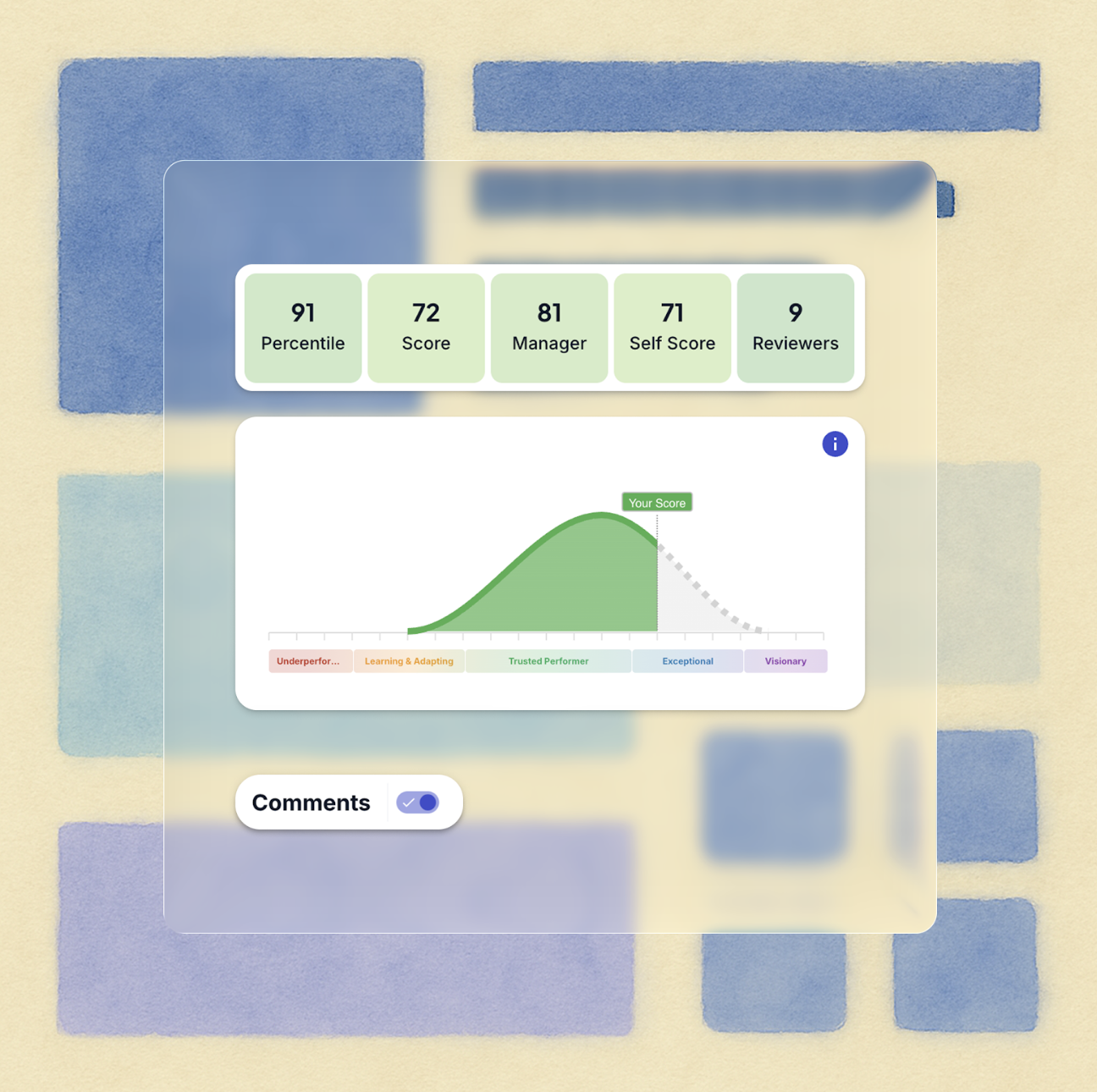
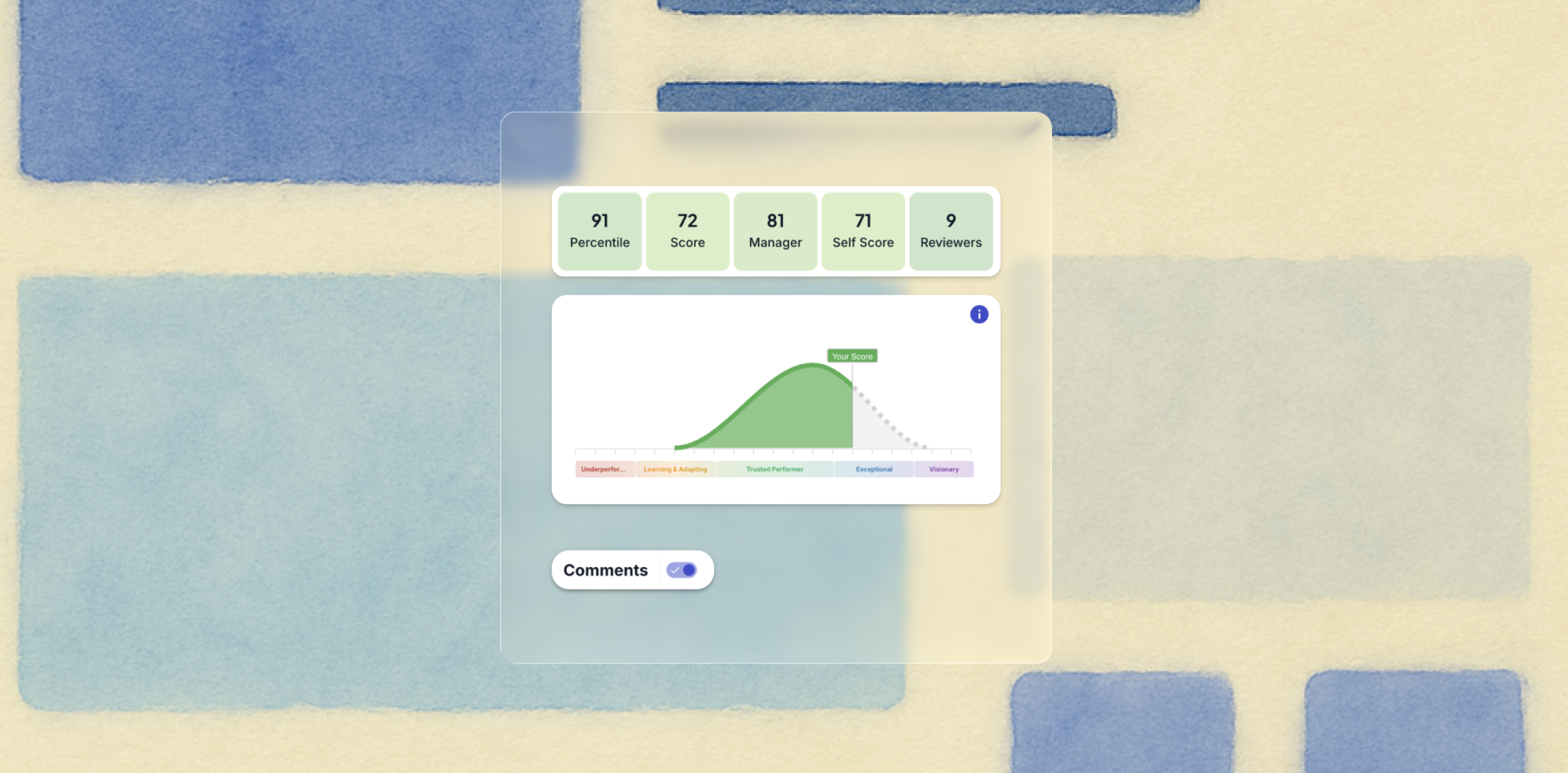
PE firms have built genuinely impressive infrastructure around financial measurement. Monthly reporting, operational KPIs, board-level dashboards — the financial health of a portfolio company is tracked with real precision and rigor. Extending some of that same rigor to the people driving the financial results is a natural next step, and one that a growing number of firms are beginning to take seriously.
The data supports the urgency. Bain's research found that 58% of value creation in software buyouts between 2014 and 2024 came from operational execution — product scaling, sales effectiveness, margin improvement — areas that are fundamentally dependent on the quality and alignment of the people doing the work. And according to Hunt Scanlon, more than 90% of PE professionals surveyed acknowledged that delaying decisions on top-tier talent had led to missed value creation opportunities.
The challenge, historically, has been a structural one. The tools and processes that exist for financial measurement don't have a ready equivalent on the talent side, which has led most firms to rely on qualitative reads, reference conversations, and the judgment of operating partners who have limited bandwidth and line of sight into the broader organization. That approach has worked reasonably well in lower-return environments. In a world where the required EBITDA growth rate has more than doubled, it leaves meaningful risk on the table.
Closing this gap doesn't require building a new HR function from scratch or layering in a cumbersome annual review process. What it does require is treating talent visibility with the same consistency and intentionality that financial visibility already gets — making it a regular input to decision-making rather than something that only gets attention when a problem surfaces.
In practice, that tends to mean a few things. First, assessing talent against the value creation plan at the outset of a deal, not just at the C-suite level but for the leaders and teams responsible for executing each initiative. Getting a clear view of that early creates a genuine leading indicator — a way to know whether the right people are in place before the financial results tell the story.
Second, building in some form of regular, lightweight measurement rather than relying on point-in-time assessments. A talent evaluation conducted at acquisition and then revisited only when something has gone wrong gives you very little ability to course-correct in time to matter. Firms that are getting this right are finding ways to maintain a continuous read on how people are performing and where gaps are developing, without it becoming a burden on the organization.
And third, extending that visibility below the C-suite. The CEO and senior leadership team are visible to PE firms by virtue of regular interaction. The people two or three levels down — the ones who are often most directly responsible for day-to-day execution of the value creation plan — are much harder to see from the outside. That's precisely where systematic measurement creates the most value.
Talent measurement in private equity is evolving quickly, but systematic and data-driven approaches remain far from universal. Most firms are working with some combination of informal qualitative assessments, operating partner relationships, and periodic reviews — tools that served the industry well when the return environment was more forgiving.
As Andy Caine, COO of Frazier Healthcare Partners, put it in a recent panel discussion on talent measurement in PE: "If you don't know there's a problem or where there's a problem, you don't have any leading indicators. You're just going to see financial underperformance 12 months from now when it's too late."
The firms that invest now in building more rigorous, consistent visibility into the people driving their value creation plans will be better positioned to catch problems early, make confident talent decisions, and ultimately deliver the returns that today's environment demands. That's an edge that compounds over time — and one that's genuinely difficult for competitors to replicate.
Incompass is a talent intelligence platform built for the pace and pressure of PE-backed environments — giving HR and operating teams continuous, bias-adjusted visibility into how people are actually performing, without the overhead of a heavy HR process. Learn more about how Incompass works →
Want to hear more from the practitioners leading this shift? Watch the full panel discussion →