Try Incompass free for 30 days. No credit card required.
Start Free Trial


The traditional annual performance review, as we know it, is dead. Or at least, it should be.
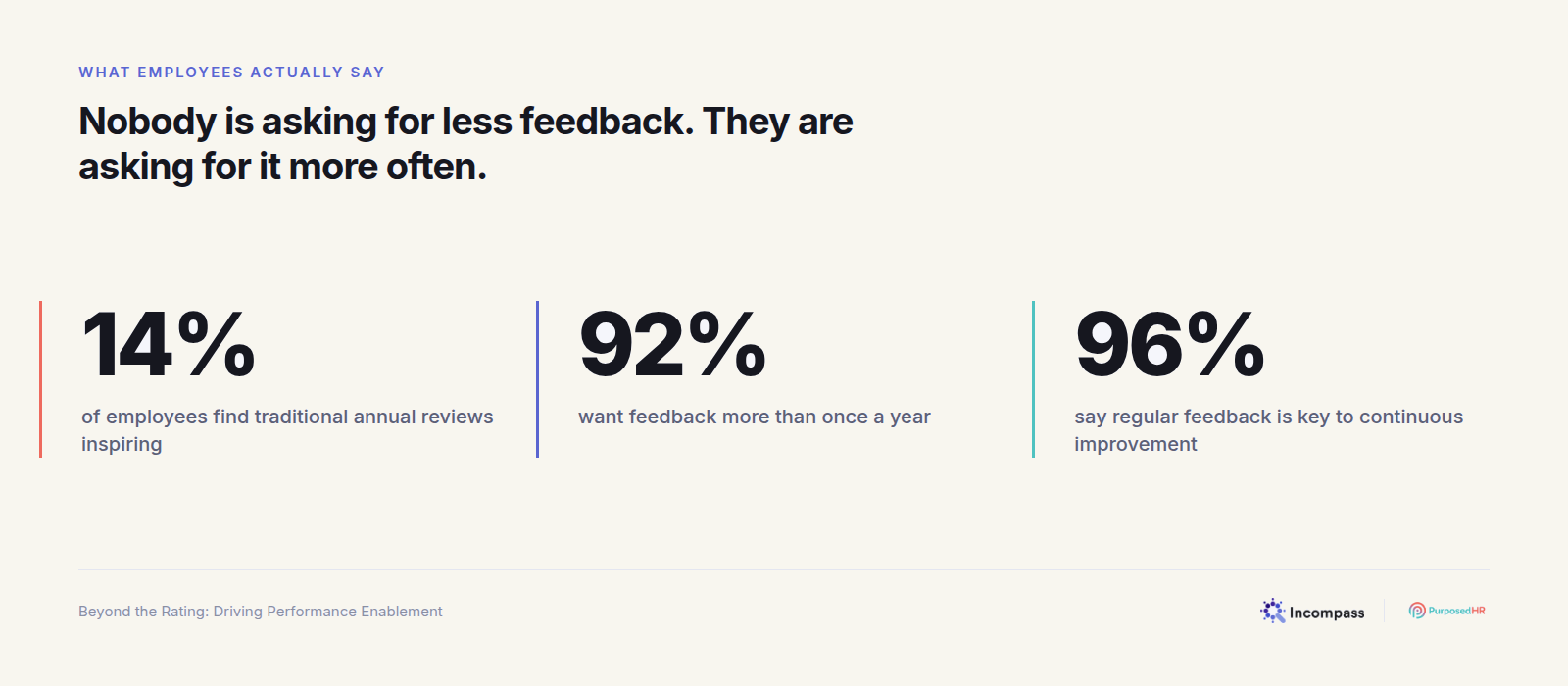
This shift isn't because performance or accountability no longer matter. Rather, it's because modern research proves what employees have felt for years: humans do not grow, improve, or stay engaged through a single, backward-looking conversation per year. In fact, data shows that only 14% of employees find traditional reviews inspiring, yet 92% want feedback more than once a year, and 96% believe regular feedback is the key to continuous improvement. Employees don't just want to be managed; they want to be enabled. Performance enablement is about moving away from rigid annual compliance and moving toward a simple, leader-friendly ecosystem that drives ongoing coaching, real-time alignment, and psychological safety.
Before introducing a new system or form, an organization should establish a clear performance philosophy. A process thrown out into the wild without a strategic foundation will inevitably fail. When defining your philosophy, ask:
The goal is to design a system that is simple and frictionless. It shouldn't deflate morale or feel like a chore; it should make continuous dialogue the path of least resistance.
That last question can often be overlooked, and it's the one that gives the whole system legs. Enablement means we invest in someone's growth: clear expectations, honest feedback, coaching, and the resources to close the gap. It does not mean growth is optional. If we support someone well and their performance still doesn't improve, that has to mean something—a different strategy, a different role, a different scope, or a different organization. Naming that up front is what gives the process credibility. It also protects your strongest performers, who notice immediately when standards apply unevenly. The kindest system is the honest one: people know where they stand, what "good" looks like, and what happens if the gap stays open.
Before anyone can improve, they have to know their actual starting point.
Think about how we approach any personal goal. You weigh in before you start the diet. You get a baseline before you train for the race. Not because the number is pleasant, but because you cannot measure progress against a starting point you never established — and you cannot set a meaningful goal without knowing the distance you're trying to cover.
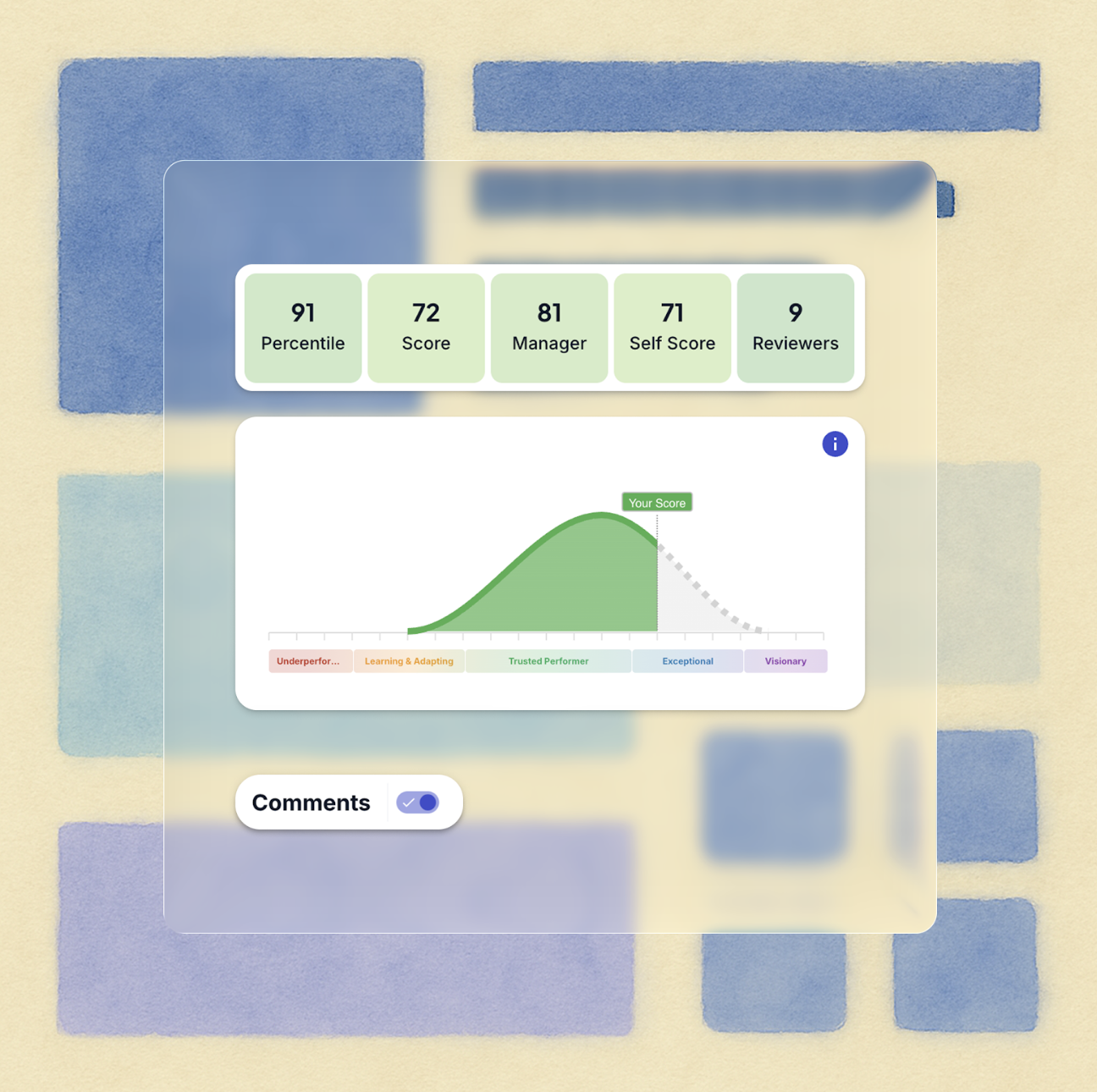
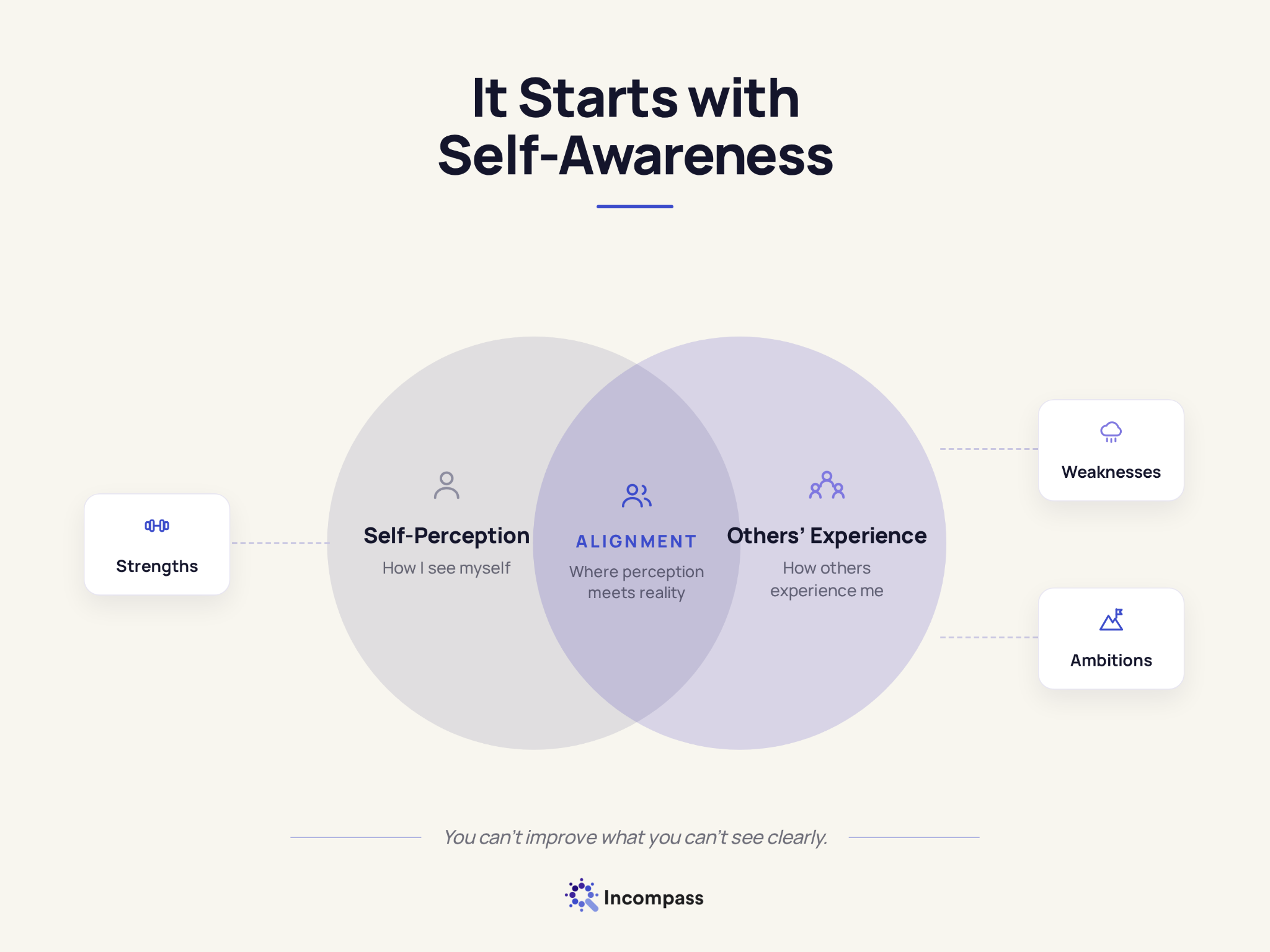
Performance works the same way. Growth requires a clear-eyed picture of three things:
Most of us are unreliable narrators of our own performance. We over-index on intent and under-appreciate impact. That's not a character flaw; it's a structural one. We simply cannot see how we land on other people.
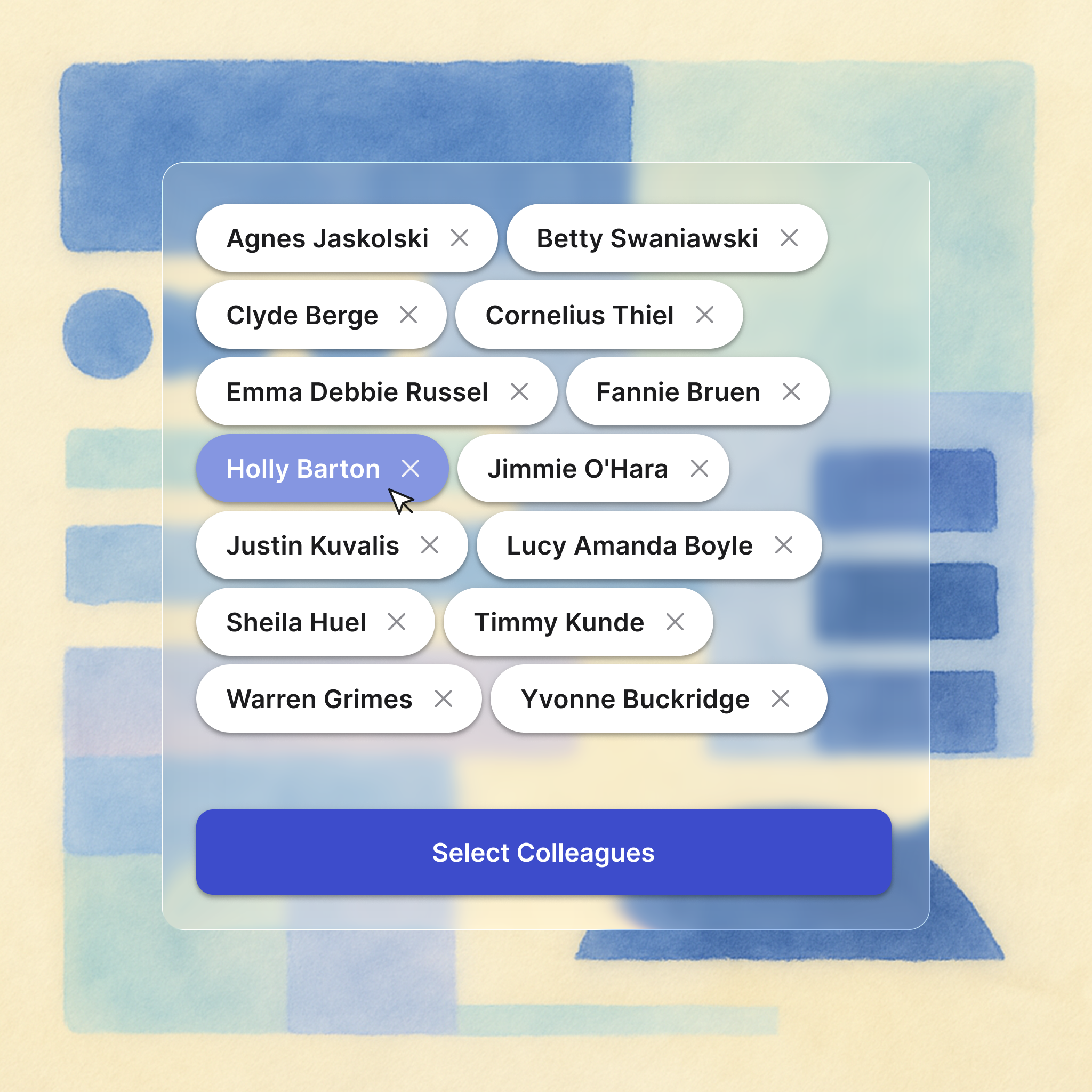
Which is why the baseline can't come from a single source. A manager sees one slice of a person — usually the work that flows upward, in the settings the manager happens to be in. But each of us is experienced differently by different people. The colleague who depends on your handoffs, the direct report reading your tone in a Monday stand-up, the cross-functional partner negotiating a deadline with you, the client on the other end of the call — each of them has real, specific data about how you show up, and none of it is interchangeable.
When you gather feedback from that fuller range, two things happen. Patterns that appear across every relationship are almost certainly real and worth taking seriously. And differences between groups are often the most useful signal of all — the leader who is highly rated by peers and poorly rated by their team has learned something far more actionable than any single score could tell them.
Start with the baseline so the rest of the process has something to build on.
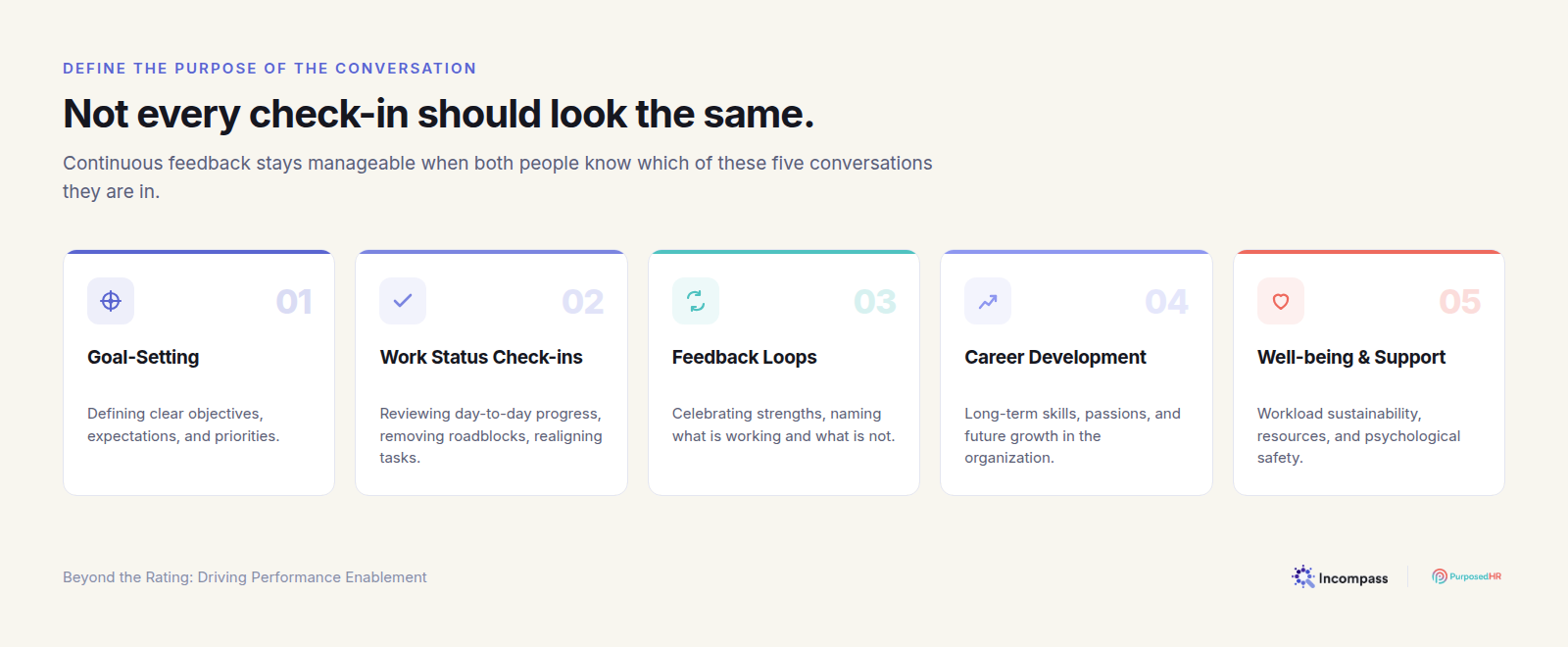
Great managers do not simply wake up as great leaders that can coach performance. Leadership is a deliberate growth process. As HR, we cannot roll out a system and expect managers to instinctively know how to navigate complex human dynamics.
To transition from an evaluator to a performance coach, managers must be actively trained in emotional intelligence, communication styles, and active listening. A coaching manager knows how to motivate individual team members based on their unique drivers, document conversations seamlessly, and facilitate a true two-way dialogue rather than delivering a top-down lecture.
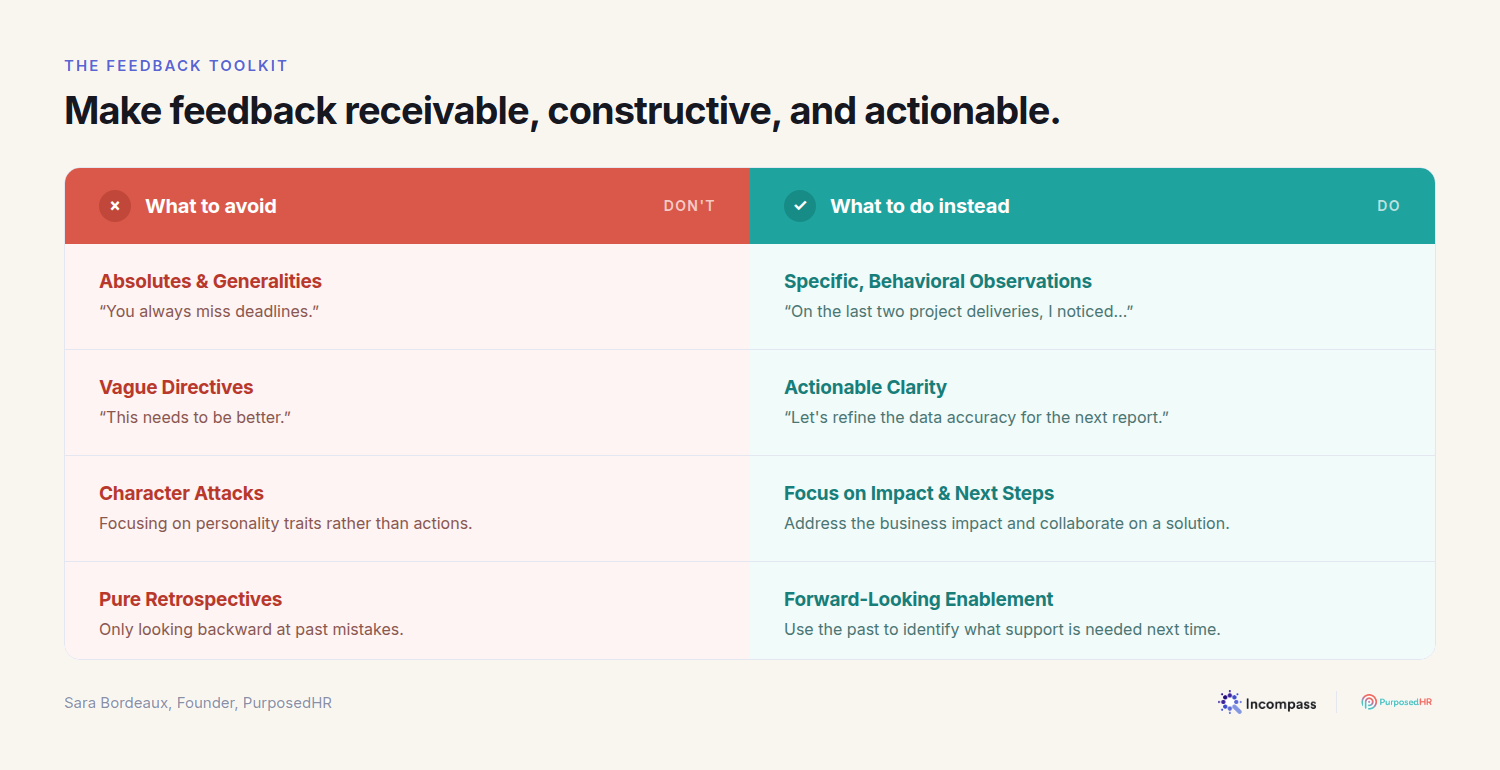
To ensure feedback is receivable, constructive, and actionable, leaders should keep these foundational guards in mind during their conversations:
Strong performance is not built once a year. It is cultivated through regular conversations, intentional leadership, clear expectations, and a culture that enables people to do their best work.
As HR professionals and leaders in our organizations, we have an incredible opportunity to shift the narrative. Instead of tracking whether an annual form is checked off, let's start asking more impactful questions: Are our managers equipped to coach? Are our employees receiving timely feedback? Are our conversations building trust and psychological safety?
By moving beyond the rating, we unlock the true potential of our workforce—one conversation at a time.